What the Postcard Version of New Zealand doesn’t say…
From the outside, New Zealand looks like a postcard.
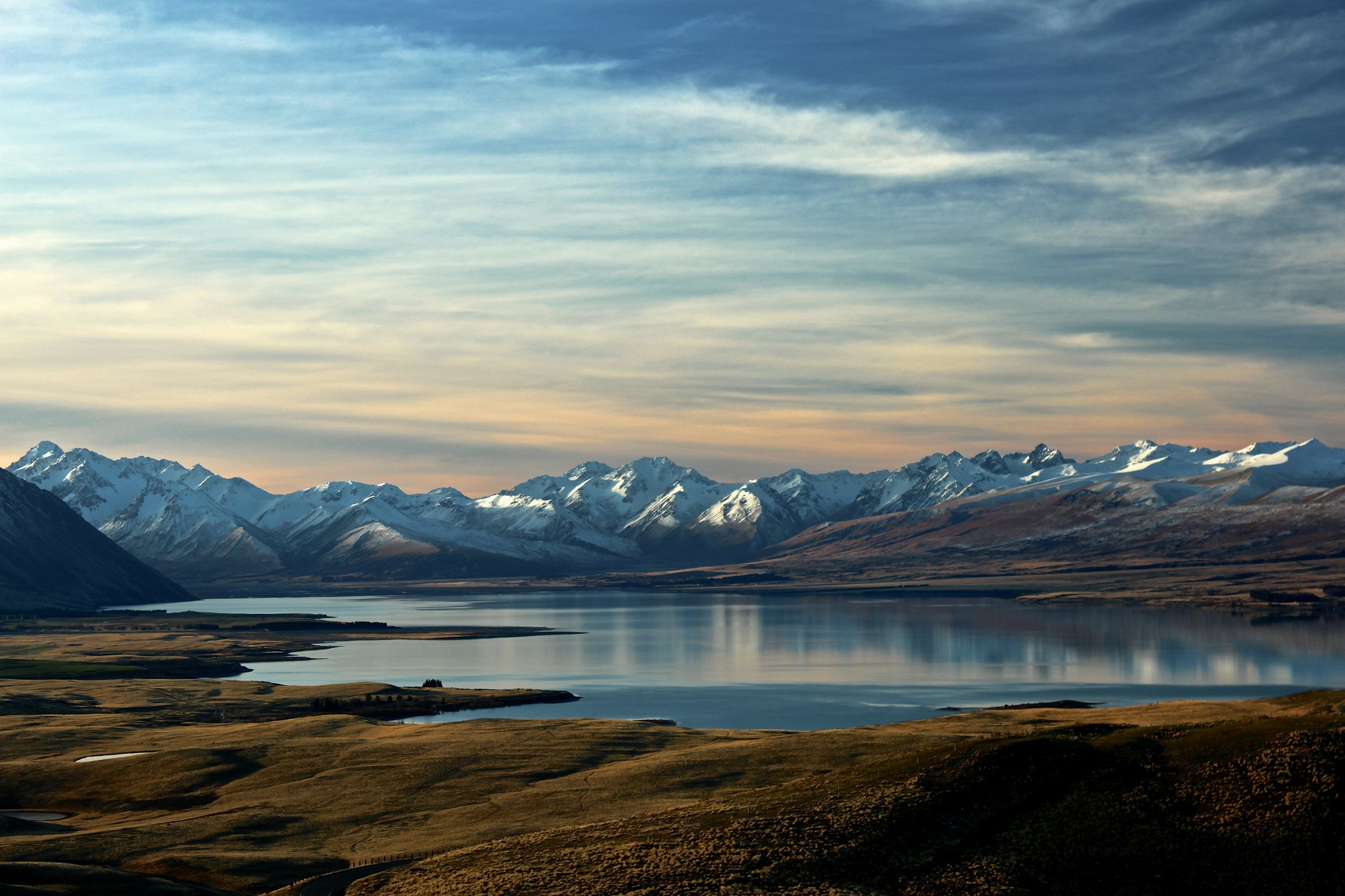
Snow-capped mountains spill into emerald valleys. Beaches stretch on forever. Small towns dot the coastline, where cafes and restaurants are pumping on a Friday morning, and it feels like nobody’s in a rush to be anywhere. To a visitor, it can look like the country has quietly figured out the secret to life.
And to me, arriving here for the first time 6 years ago, it really did seem that way.
But that version of New Zealand isn’t the whole picture.
Because while the beaches are full, and the coffee is great, a huge portion of the country is still up before dawn to clock in on time, juggling rent or mortgages, and quietly wondering how much worse can this cost-of-living crisis get. Behind the scenic drives and slow mornings are teachers, tradies, nurses, and office workers trying to stay afloat in a place where the basic cost of living keeps creeping higher. I should know – I am one of them.
And this contrast matters. It shapes every conversation about Financial Independence in the modern day, and especially in New Zealand – where the assumptions FIRE was built on no longer match the reality of Today’s living.
So, what is FIRE (Really)?
FIRE stands for Financial Independence, Retire Early. At its core, it’s about building enough financial security that you can “retire” decades before traditional pension age.
In its simplest form, FIRE is about:
Spending intentionally
Saving consistently
Investing for the long term
Buying back your time.
On paper, this seems simple, but it’s much harder in practice.
Especially when FIRE advice is geared towards a reality that does not exist for most people.
FIRE in Modern-day New Zealand
Nowadays, things aren’t as easy as they were 10/20 years ago.
House Prices have more than doubled in the last 15 years.
Groceries have skyrocketed.
General (Overall CPI) is up nearly 50%
Meanwhile Salaries and Wages have only increased by 25-40%.
When housing, food, and basic living costs rise faster than wages, the room to save (the VERY foundation FIRE is built on) shrinks. A savings rate that once felt ambitious, but achievable, now feels out of reach even with disciplined living and a “doing everything right” mindset.
This shift changes the equation entirely.
But FIRE doesn’t just die out because conditions change. It adapts.
And in modern-day New Zealand, that adaption looks different for everyone:
Longer Timelines
Lower Withdrawal Targets
Hybrid or Semi-FI Paths
Lifestyle-first Design instead of Rigid Formulas.
Don’t Get Stuck on the “RE”
One of the biggest mistakes people make, especially in higher-cost countries like New Zealand, is getting fixated on the “Retire Early” part of FIRE.
When the goal becomes retire as fast as possible, every part of life begins to feel like a setback:
Not saving enough this year
A lifestyle upgrade that improves life but “delays FIRE”
Eating Better
This pressure can begin to create a dangerous loop - stressing over perfect savings rates, and dropping an overall healthy life as any purchase gets labelled as a “delay”. You start optimizing expenses a the expense of health, energy, and relationships.
Living poorly or unhealthily in the name of speed doesn’t create freedom — it creates fragility. Burnout, illness, and chronic stress don’t just reduce quality of life; they often slow FIRE down through missed work, lower performance, and rising healthcare costs.
This is why I struggle to love most current FIRE advice out there. So many popular blogs treat extreme frugality as the default, when in reality, it’s neither sustainable nor appropriate for everyone. It certainly isn’t for me.
If your path to Financial Independence requires you to sacrifice your health and your wellbeing, are you really gaining freedom?
I’m not saying it isn’t possible, and that retiring at 30 can’t be done. Some people may thrive in extreme frugality, but I believe it is heavily dependent on the size of your salary, and the fixed basic costs of your life.
For me, FIRE is less about speed and more about persistence. A version that is a slower, more deliberate journey that acknowledges my reality rather than fighting it.
FIRE in New Zealand for me (and for many others) may not mean retiring at 35, but more about living intentionally.
To me, Financial Independence is:
Reducing dependence on an active income
Creating flexibility on how, and where you work
Lowering your required cost of living overtime
Freedom to focus on a life of pursuing true happiness
In modern-day New Zealand, FIRE works for me when it fits around an enjoyable life today.
In a country as beautiful as this, that kind of freedom matters. It isn’t about escaping work entirely. It’s about making sure that the life outside of work — the one we’re surrounded by every day — is one we have the time and space to enjoy.
Maybe the Postcard fantasy isn’t as far off as it may seem.
So how does FIRE look for you?
